
For any company, organization, or small business to form a distinct identity in the audience’s minds, branding is essential. Whether you are an established business or just starting as an entrepreneur, strong branding is the foundation of your success.
Branding can be seen as a ‘face’ for your business that users will remember and associate with your company. It’s the combination of your brand’s name, logo, values, mission, brand voice, and brand identity. So, here’s a clear guide to “what is branding” and what steps you should take to grow as a business. Also, we have some tips on how you can achieve a consistent brand design across all platforms and customer touchpoints.
The Real Meaning of Branding Today
Understanding the meaning of branding in a sentence can be challenging, as people often confuse it with just logos, slogans, or marketing campaigns. However, branding is how your business presents itself to the world.
It’s the personality of your company, and how people feel about you, the impression your products or services leave.
Branding Definition
“Branding is an ongoing method of presenting yourself to the world through consistent identity. It includes the visual and graphic elements (logo, colors, fonts), values, voice , vision, message, strategy, and personality.”
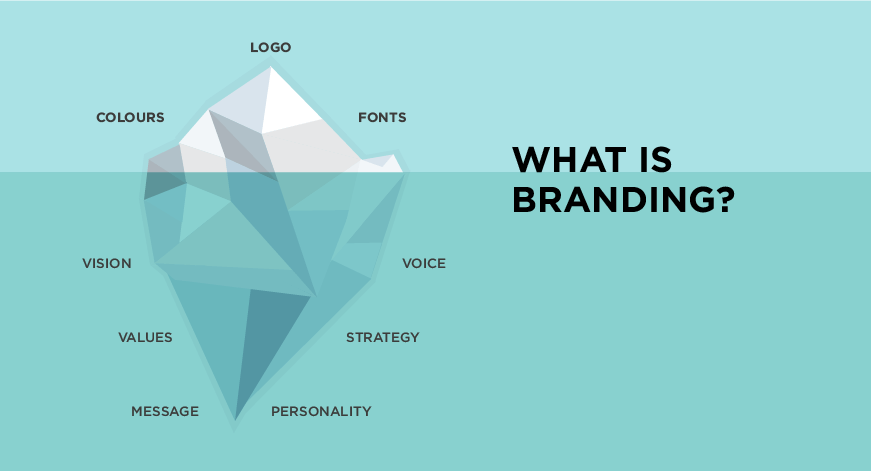
Branding as a Powerful Growth Tool
Branding isn’t something you think about after launching your products or services, but it begins the moment you step into the marketplace. Every time someone scrolls past your website or social media, they create an image of your company. This perception influences how they engage with your business moving forward.
Eventually, this will lead to long-term trust and loyalty or the other way around, if left unmanaged. As Jeff Bezos puts it, “A brand for a company is like a reputation for a person. You earn a reputation by trying to do hard things well.” From your product quality to customer service, every decision you make for your business contributes to that reputation.
Branding requires constant efforts; if you don’t manage it actively, this will lead to inconsistent visuals, unclear messaging, or a lack of strategy, which can ruin your brand image.
That’s why agencies like Outernest highlight the importance of creating consistent brand strategy.
Why should you invest in branding?
Investing in good branding can increase your chances of growing your business by up to 90%, as it creates a trustworthy and strong presence in the market. Here’s how:
Increased business value:
A clear-cut brand becomes one of your most valuable assets, as it attracts more investors, partners, and even potential buyers. Businesses with strong brand identity are prioritized more than competitors with weaker branding.
Reduced marketing costs:
Authentic and consistent branding doesn’t need much effort in marketing campaigns. It naturally attracts customers and organic word-of-mouth reach. When the audience trusts a brand or company, they are more likely to engage, share, or buy your products without constant advertising.
Market credibility:
A well-managed branding gives you an upper hand over competitors and positions you as a credible business in your industry.
How does branding work?
- Start with your brand’s target audience
- Define your purpose and brand strategy
- Choose a business name that supports your brand
- Develop your visual identity system
- Build a style guideline for your business
- Bring your branding into every interaction
Branding is not a one-time effort; it is an ongoing process that evolves through every interaction people have with your business. Customers start to recognize you without trying hard when they start connecting with the same vibe, style, and overall consistency.
Here are some of the steps on how the whole branding system comes together:
Start with your brand’s target audience
Everything starts with understanding who your brand is meant for. Think of branding as if you are starting a conversation; if you don’t know who you are talking to, you won’t know what to say. A lot of businesses start designing their logos without understanding their target audience, pain points, hobbies, demographics, buying decisions, and interests. Once you learn about these things, your branding becomes more relatable.
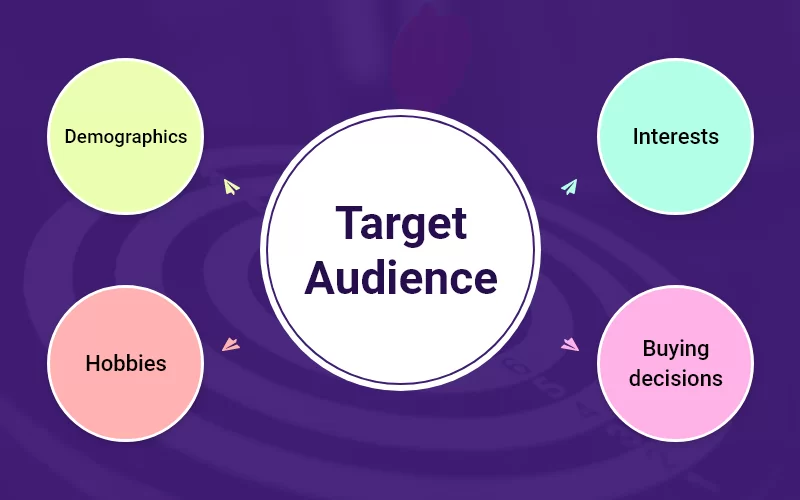
Strong brands speak directly to the right audience, not to everyone. When you understand the consumer behaviour, branding decisions become easier for you.
Define Your Brand’s Purpose
Every business has a purpose, a motivation to create something unique and meaningful for its audience. People don’t connect with a logo alone. People do not connect with a logo alone; they connect with the emotion, the intention, the messages, and the values you are trying to convey through your brand. Humans trust those brands that feel safer for them, not just affordable.
It is essential that you also design a brand identity (name, logo, tagline, visuals, voice) that aligns with what you have promised through your purpose.
A brand without a purpose is like great packaging with nothing inside.
What most businesses do is treat brand purpose as a “branding formality,” but the real brands use this element to build long-term trust. It tells the world “Why” your brand deserves to exist. When companies skip this step, everything feels random and confusing.
Choose a Business Name That Supports Your Brand
Many businesses find it challenging to decide on a name that people will remember forever. It is the first element people hear and search for in the future, so it becomes a difficult yet creative exercise.
One thing branding expert David Placek said was, “Nothing will be used more often or for a longer period of time than your brand name.” A name that is too trendy or too clever can make your brand feel small and confused.
Here are some different ways to create names for your brand:
- Modified or remixed words, like Tumblr
- Blended words, like Snapchat
- Names inspired by people, like Tesla (named after inventor Nikola Tesla)
- Functional or descriptive names, like PayPal
Before finalizing a name, try checking on Google if it is already trademarked or not. Try doing some pronunciation checks to ensure people can easily pronounce it. Check social media handles to see if people are already using the name. These steps are essential for verification purposes.
Develop Your Visual Identity System:
After deciding on a name for your brand, it’s time to move to visual identity, like your logo, color palette, typography, packaging, product design, and all the elements that make up the whole personality of your brand.
In today’s world, where most interactions happen online first, which means your visual identity must work seamlessly in a digital environment. This is where UI/UX design becomes a huge part of the branding process. People often get irritated if the website works slowly or is difficult to navigate.
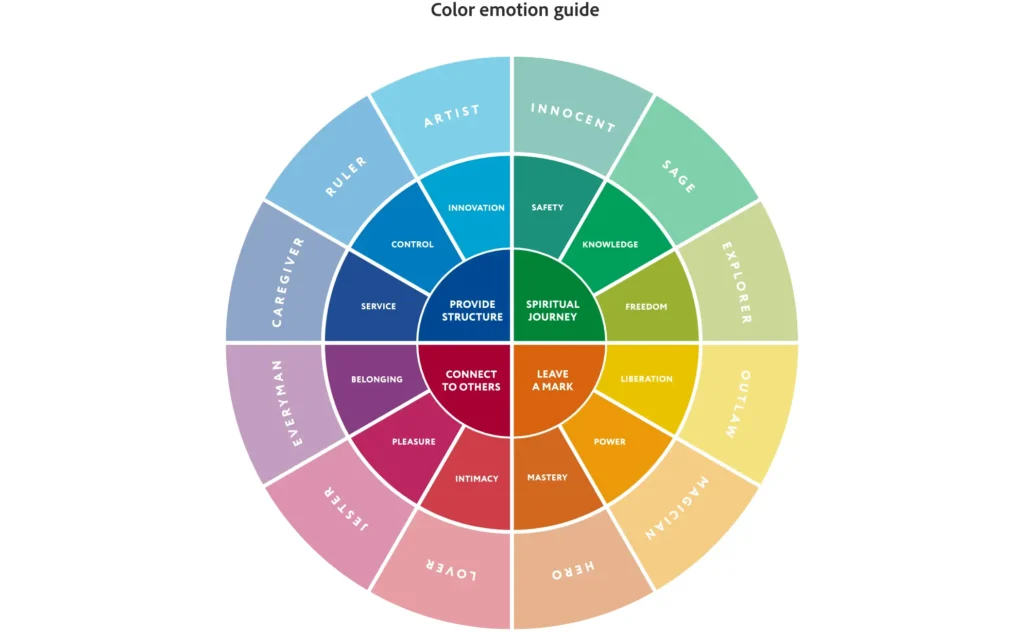
Color Palette: The first step in developing a visual identity is choosing the right color palette. Your palette should support the personality you are trying to build. Colors trigger emotions immediately. Research the color theory before designing your logo.
Typography: Typography is the most underrated part of developing a visual identity. It should be readable for an audience of all ages across all platforms. Serif fonts look classic, trustworthy, and mature, whereas rounded fonts feel friendly, soft, and youthful.
Logo: The next step in developing a visual identity is the logo. It should be timeless, memorable, and connected to the rest of the visual identity. It is designed last, mostly after the color palette and fonts have been decided.
When colors, typography, logo, and all the elements of a visual identity look unified, your brand looks polished everywhere a customer interacts with you.
Build a brand guideline for your business.
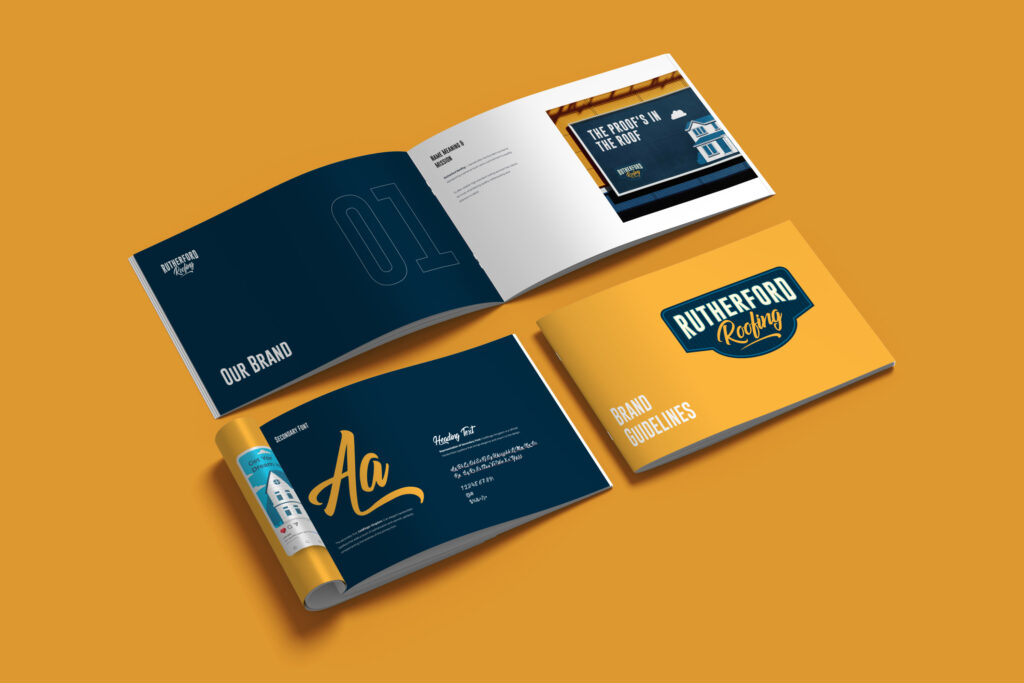
Once your visual identity is ready, the next step of branding is to make sure it stays consistent everywhere. The brand guideline ensures that every designer, copywriter, or developer’s work looks like it belongs to the same brand family.
It is a document that governs how your brand should look, from your logo and colors to your typography and tone of voice. It protects your brand identity as your business grows.
Bring your branding into every interaction.
Once you’ve finished designing, now is the time to show it to the real world. Make sure that your branding shows up everywhere someone interacts with it. This is also where strong web development matters: a smooth online experience for the audience reinforces them to talk about your brand more with other people as well.
Here are a few tips to make sure your brand stays relevant and consistent throughout the user interaction:
- Update websites, app screens, social media, packaging, and all the customer-facing touchpoints from time to time for a smooth user experience.
- Refresh messaging across your website, ads, product descriptions, and email templates so they can match your brand’s voice and tone.
- Use your color palette and typography in every piece of content.
- Make content like blog posts, newsletters, and social media posts clickable, and find ways for customer interaction.
- Review future designs and product updates using the style guidelines to ensure your brand stays harmonious.
Brands that have a clear strategy and purpose see up to 33% more revenue and higher customer trust than those without clear branding.

